
The Superfood Phenomenon: Fact vs. Fiction
In our journey towards optimal nutrition, we’ve explored the foundations of balanced eating. Now, let’s dive into a topic that often sparks excitement and confusion: superfoods. These nutrient powerhouses have garnered significant attention, but what truly defines a ‘superfood,’ and how can they genuinely enhance our health without becoming a mere fad?
A superfood isn’t a magic bullet that cures all ailments, nor is it a rare, exotic ingredient. Rather, it’s typically a whole, unprocessed food exceptionally rich in vitamins, minerals, antioxidants, and phytochemicals—compounds that offer specific health benefits beyond basic nutrition. Think of them as concentrated doses of goodness designed by nature.
What Truly Makes a Food “Super”?
The ‘super’ status is earned through a combination of factors:
- High Nutrient Density: Delivering a large amount of nutrients with relatively few calories.
- Abundance of Antioxidants: Protecting cells from damage caused by free radicals, which are linked to aging and chronic diseases.
- Rich in Phytochemicals: Plant compounds with protective or disease-preventing properties (e.g., polyphenols, carotenoids).
- Anti-inflammatory Properties: Helping to reduce chronic inflammation, a root cause of many health issues.
It’s important to remember that the synergy of these compounds within whole foods often provides greater benefits than isolated nutrients in supplements.
Top Superfoods to Elevate Your Plate
While the list is extensive, here are some accessible superfoods to consider incorporating regularly:
- Berries (Blueberries, Raspberries, Strawberries): Bursting with antioxidants, especially anthocyanins, linked to improved heart health and cognitive function.
- Leafy Greens (Spinach, Kale, Swiss Chard): Packed with vitamins K, A, and C, folate, and powerful antioxidants like lutein and zeaxanthin, crucial for eye health.
- Nuts and Seeds (Almonds, Walnuts, Chia Seeds, Flaxseeds): Excellent sources of healthy fats (omega-3s), protein, fiber, and minerals like magnesium and zinc, supporting heart and brain health.
- Legumes (Lentils, Chickpeas, Black Beans): High in plant-based protein, fiber, and complex carbohydrates, promoting satiety and stable blood sugar.
- Fatty Fish (Salmon, Mackerel, Sardines): Rich in omega-3 fatty acids (EPA and DHA), vital for brain function, heart health, and reducing inflammation.
- Avocado: A unique fruit offering healthy monounsaturated fats, fiber, and potassium, beneficial for heart health and nutrient absorption.
- Turmeric: This spice contains curcumin, a compound with potent anti-inflammatory and antioxidant properties, often studied for its role in various health conditions.
Integrating Superfoods into Your Daily Life
Embracing superfoods doesn’t require a radical diet overhaul. Small, consistent changes yield significant results:
- Add a handful of berries to your morning oatmeal or yogurt.
- Sneak spinach or kale into smoothies, eggs, or pasta sauces.
- Snack on a handful of nuts or seeds instead of processed alternatives.
- Swap meat for lentils or beans in chili, stews, or tacos once or twice a week.
- Include a serving of fatty fish in your diet at least twice a week.
- Use avocado as a spread, in salads, or as a creamy base for dressings.
- Season your meals with turmeric and black pepper (which enhances curcumin absorption).
The Bigger Picture: A Holistic Approach
Ultimately, healthy eating isn’t about chasing individual superfoods, but about building a diverse, nutrient-rich diet where these powerhouses play a starring role. Combine them with whole grains, lean proteins, and plenty of other fruits and vegetables to create a synergistic effect that fuels your body, protects your cells, and empowers you to live your healthiest life. Remember, consistency and variety are key to unlocking their true potential.
Related Posts

Super Easy Berry Chia Jam (low sugar recipe)
Insanely easy and delicious mixed berry chia jam is the…
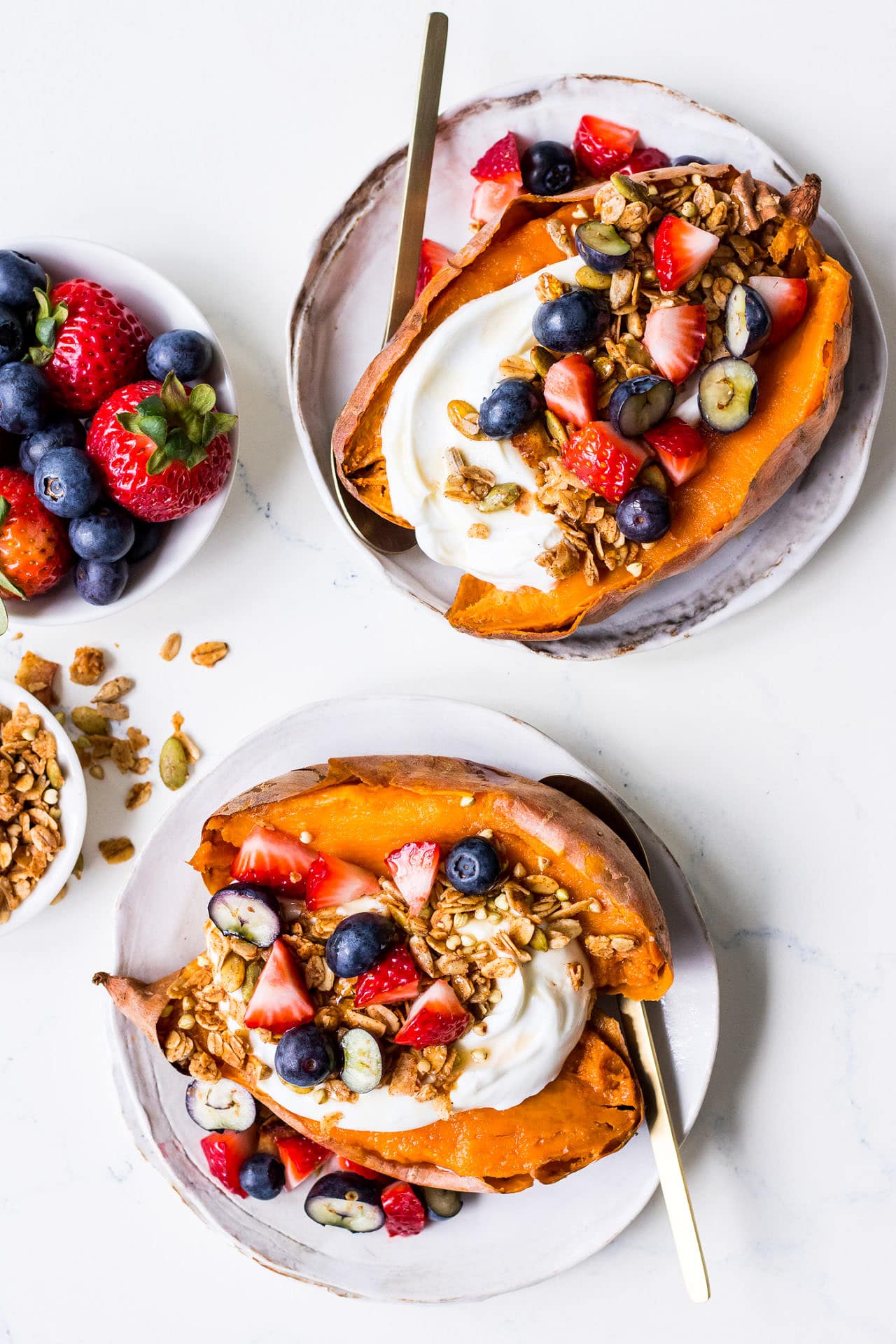
Breakfast Sweet Potatoes with Granola
An easy healthy breakfast you can make in advance. These…
