
The Foundation of Optimal Health: Healthy Eating
Welcome back to our nutrition series! In previous posts, we’ve explored the basics of macronutrients and micronutrients, and the importance of a balanced diet. Today, we’re diving deeper into a topic that often sparks both excitement and confusion: healthy eating, with a special spotlight on ‘superfoods’. While the term ‘superfood’ is largely a marketing creation, the concept behind it – consuming nutrient-dense foods – is incredibly valuable for your well-being.
At its core, healthy eating is about providing your body with the fuel and building blocks it needs to thrive. This means a diverse array of whole, unprocessed foods. Think vibrant fruits and vegetables, lean proteins, whole grains, and healthy fats. It’s a holistic approach, not about restricting entire food groups, but rather prioritizing nutrient-rich options and enjoying everything in moderation.
What Are ‘Superfoods,’ Really?
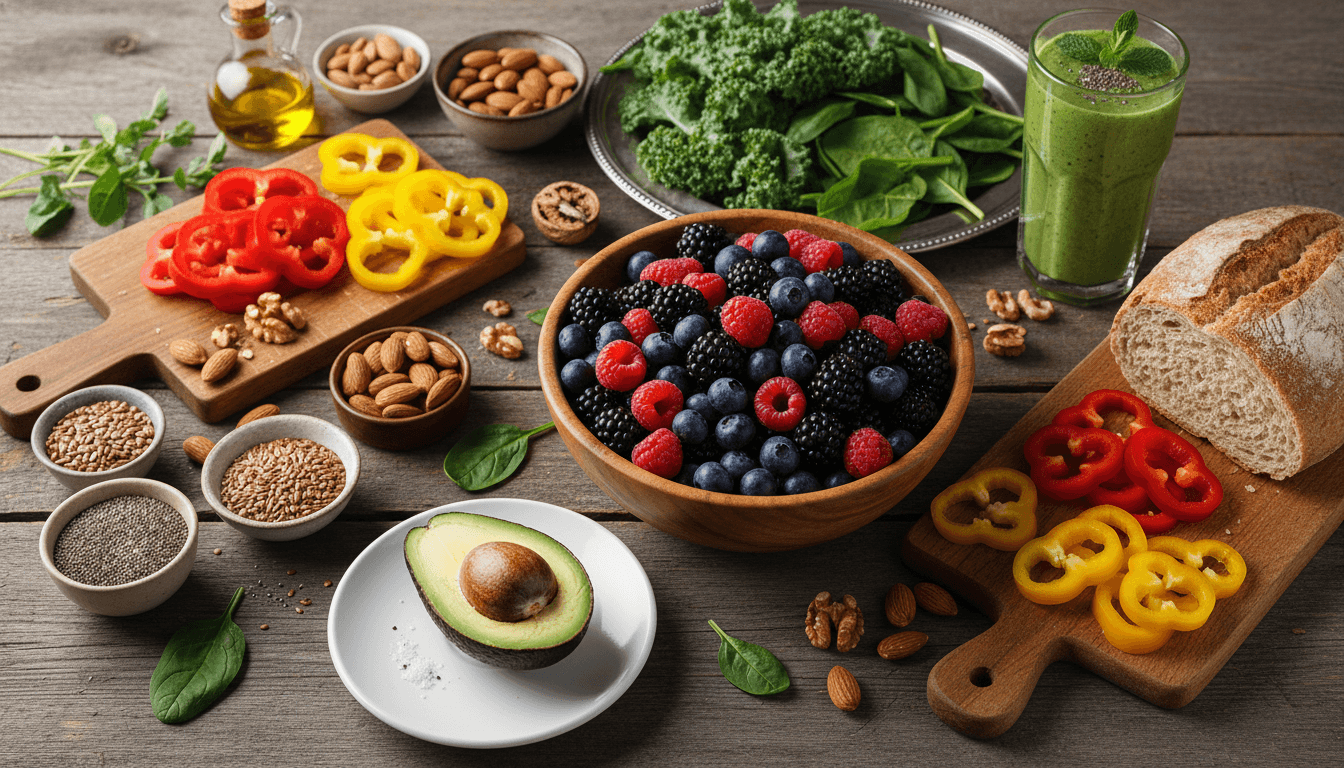
The term ‘superfood’ describes foods that are considered to be exceptionally rich in nutrients and beneficial compounds, often offering specific health advantages. Think blueberries, kale, chia seeds, salmon, and turmeric. While they don’t possess magical powers, these foods are indeed nutritional powerhouses, packed with vitamins, minerals, antioxidants, and other bioactive compounds.
It’s important to understand that no single food can provide all the nutrients your body needs. The true ‘superpower’ comes from combining these nutrient-dense foods within a balanced and varied diet. Relying on just one or two ‘superfoods’ while neglecting other essential dietary components won’t deliver the health benefits you’re seeking.
The Science Behind Nutrient-Dense Foods
So, what makes these foods so special? Let’s look at some common examples and their benefits:
- Berries (Blueberries, Raspberries, Strawberries): Loaded with antioxidants, particularly anthocyanins, which can help combat oxidative stress and inflammation, potentially reducing the risk of chronic diseases.
- Leafy Green Vegetables (Spinach, Kale, Swiss Chard): Rich in vitamins A, C, K, folate, and powerful phytochemicals like lutein and zeaxanthin, crucial for eye health and overall cellular function.
- Fatty Fish (Salmon, Mackerel, Sardines): Excellent sources of Omega-3 fatty acids (EPA and DHA), vital for brain health, heart health, and reducing inflammation throughout the body.
- Nuts and Seeds (Almonds, Walnuts, Chia Seeds, Flaxseeds): Provide healthy fats, fiber, protein, and various minerals like magnesium and zinc. Chia and flax seeds are also great sources of plant-based Omega-3s.
- Legumes (Lentils, Chickpeas, Black Beans): High in plant-based protein, fiber, and complex carbohydrates, supporting digestive health, stable blood sugar, and satiety.
- Turmeric: Contains curcumin, a compound with potent anti-inflammatory and antioxidant properties, extensively studied for its potential health benefits.
Integrating Superfoods into Your Daily Diet
You don’t need exotic ingredients or expensive supplements to reap the benefits of nutrient-dense foods. Here’s how to integrate them practically:
- Prioritize Variety: Don’t get stuck on just one ‘superfood.’ Aim for a rainbow of fruits and vegetables daily.
- Make Smart Swaps: Replace refined grains with whole grains like quinoa or oats. Swap sugary snacks for berries and nuts.
- Cook at Home: This gives you control over ingredients and preparation methods, allowing you to maximize nutrient intake.
- Add to Existing Meals: Sprinkle chia seeds into your yogurt, add spinach to your smoothie, or toss berries into your oatmeal.
- Hydrate: Don’t forget water! It’s fundamental for nutrient absorption and overall bodily functions.
The Bottom Line: A Holistic Approach
Ultimately, a truly healthy diet is about balance, moderation, and variety. While ‘superfoods’ can certainly amplify your nutritional intake, they are not a magic bullet. They work best as part of a comprehensive eating plan that includes a wide range of whole foods. Focus on nourishing your body consistently, listening to its signals, and enjoying the process. Your health is a journey, not a destination, and every nutritious choice you make contributes to a stronger, more vibrant you.
Related Posts
Superfoods & Smart Choices: Fueling Your Body the Right Way
Introduction: Beyond Basic NutritionIn our journey to understand optimal health,…

The 15-Minute Mediterranean Quinoa Power Bowl
Fuel Your Body with the Ultimate Power BowlIn the world…

Berry Chia Seed Pudding: A Simple, Delicious, and Healthy Start to Your Day!
Berry Chia Seed Pudding: A Simple, Delicious, and Healthy Start…