
Beyond the Basics: Embracing a Nutrient-Rich Lifestyle
In our journey towards optimal health, we’ve explored the foundational pillars of nutrition. Now, let’s elevate our plate and dive into the exciting world of healthy eating, with a special focus on those nutritional powerhouses often dubbed ‘superfoods’. It’s not about chasing fads, but understanding how specific, nutrient-dense foods can amplify your well-being and complement a balanced diet.
What Defines a ‘Superfood’? Unpacking the Buzzword
The term “superfood” is popular, but what does it truly mean? Generally, superfoods are natural foods exceptionally rich in vitamins, minerals, antioxidants, fiber, and other beneficial compounds that offer significant health advantages. They are not magic cures, but rather concentrated sources of nutrition that can play a powerful role in supporting your body’s functions, boosting immunity, and protecting against chronic diseases. The key is their nutrient density – providing a wealth of goodness for relatively few calories.
Your Plate’s Power Players: Key Superfoods to Incorporate
While a varied diet is always paramount, integrating these nutrient-dense foods can provide an extra boost:
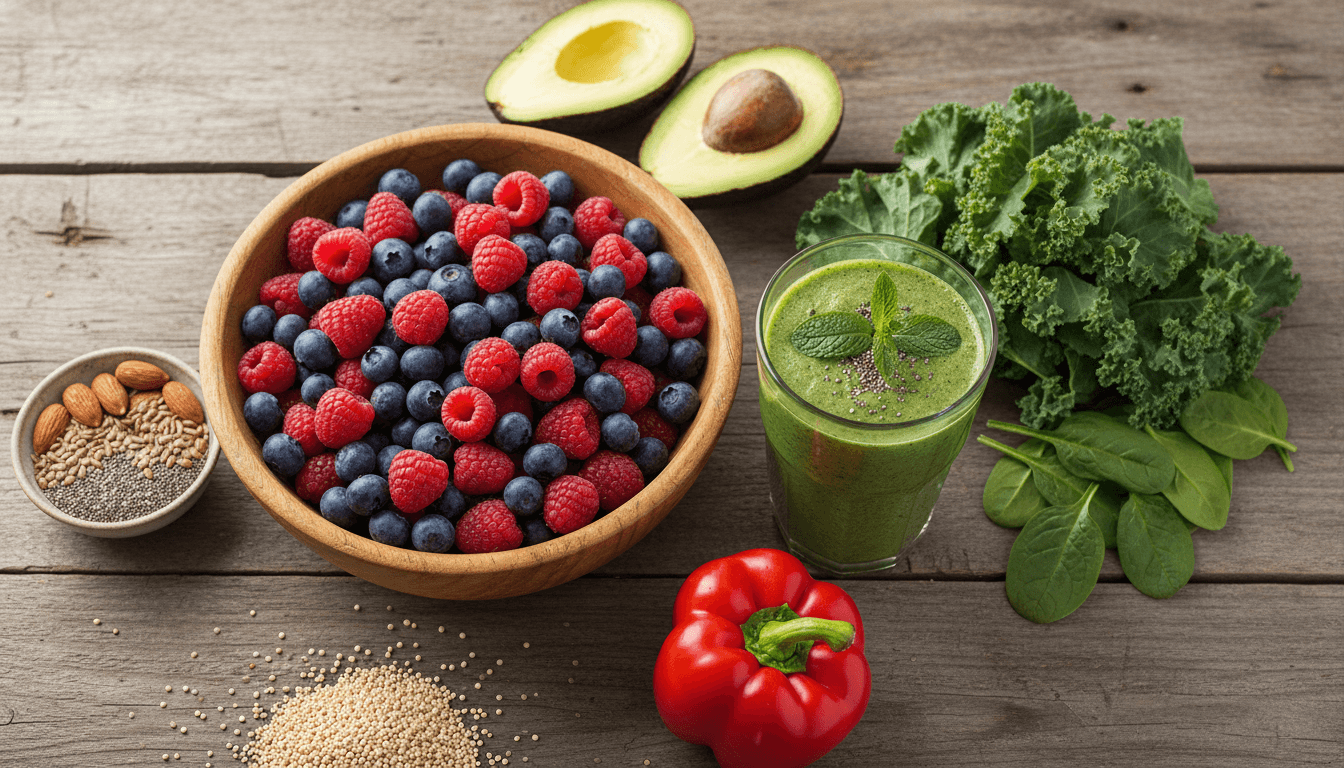
Berries (Blueberries, Raspberries, Strawberries): These vibrant fruits are packed with antioxidants, particularly anthocyanins, which combat oxidative stress and inflammation. They are also excellent sources of fiber and vitamin C, supporting immune function and digestive health.
Leafy Green Vegetables (Spinach, Kale, Swiss Chard): Verdant greens are vitamin and mineral superstars, abundant in vitamins A, C, E, K, folate, iron, and calcium. Their phytonutrients contribute to bone health, vision, and detoxification processes.
Nuts and Seeds (Almonds, Walnuts, Chia Seeds, Flaxseeds): Small but mighty, nuts and seeds deliver healthy fats (including omega-3s), plant-based protein, and fiber. They’re rich in minerals like magnesium, zinc, and selenium, supporting heart health, brain function, and sustained energy.
Avocado: This unique fruit is loaded with heart-healthy monounsaturated fats, fiber, and a wide array of vitamins and minerals including potassium, vitamins K, C, B6, and E. Avocados help with nutrient absorption and promote satiety.
Legumes (Lentils, Chickpeas, Black Beans): Plant-based protein and fiber champions, legumes are fantastic for stabilizing blood sugar, supporting digestive regularity, and providing essential minerals like iron, folate, and magnesium.
Fatty Fish (Salmon, Mackerel, Sardines): Rich in omega-3 fatty acids (EPA and DHA), these fish are crucial for brain health, reducing inflammation, and supporting cardiovascular function. They also provide high-quality protein and vitamin D.
Integration, Not Replacement: A Holistic Approach
It’s crucial to remember that superfoods are enhancers, not substitutes for a balanced diet. A plate full of superfoods won’t counteract poor eating habits elsewhere. The goal is to incorporate these nutrient-dense options into an already healthy pattern of eating, focusing on variety and moderation. Think of them as high-performance fuel for your body’s intricate systems.
Simple Steps to Supercharge Your Meals
Add a handful of berries to your morning oatmeal or yogurt.
Blend spinach or kale into your smoothies – you won’t even taste it!
Sprinkle chia or flax seeds over salads, cereals, or yogurt.
Snack on a handful of mixed nuts instead of processed treats.
Swap out meat for lentils or beans in a few meals each week.
Include avocado in your salads, sandwiches, or as a healthy fat source.
Embrace the Power on Your Plate
By understanding and strategically incorporating these nutrient-dense foods, you’re not just eating; you’re actively nourishing your body at a cellular level. Embrace the colors, textures, and incredible benefits that healthy eating and the superfood spectrum have to offer. Your body will thank you!
Related Posts

Spiced Apple Cinnamon Roll Baked French Toast Casserole
Oh, my sweet breakfast lovers! Are you ready to elevate…

Green ‘Hulk’ Sheet Pan Pancakes (easy tray baked)
This easy green sheet pan pancakes are packed with nutritious…
The Superfood Advantage: Elevating Your Plate for Peak Wellness
Beyond the Basics: Embracing Nutrient DensityIn our journey towards optimal…